

How to design luxury interiors that foster human connection

Some homes make an impression from the very first moment. Others achieve something even more valuable: they invite you to stay.
As soon as you walk through the door, you sense a serene atmosphere. Conversation flows naturally, time begins to slow down, and people find a place where they feel genuinely comfortable. This feeling does not happen by chance. It is the result of carefully considered decisions that encourage closeness through interior design.
When we speak about designing residential interiors that foster human connection, we are referring to understanding the home through emotions and everyday experience.
Layout, lighting, materials, and furniture directly influence the way you live with your family and welcome the people you care about most.
At Victoria Plasencia Interiorismo, we believe that true luxury lies in creating environments where beauty and emotional well-being support authentic relationships.
In this article, you will discover how to transform your home into a setting for meaningful and memorable encounters.

When a home looks beautiful but does not invite connection
Many spaces appear visually impeccable and yet still feel distant. The furniture is well proportioned, the finishes are refined, and the architecture is impressive, but social interaction does not flow as naturally as you expected.
The living room may revolve around a television, seating may be placed too far apart, or the lighting may create a cold atmosphere. In other cases, echo makes conversation difficult, and the layout fragments each gathering. Everything seems to be in place, yet the environment does not encourage closeness.
Fields such as psychology and neuroaesthetics have shown that the built environment deeply influences our emotions. A space can reduce stress, convey security, and facilitate meaningful interactions when emotionally centered interior design places people at the heart of every decision.
In residential interior design, true sophistication emerges when your home supports long conversations, spontaneous gatherings, and moments that remain in memory. This is where the interior design of a house takes on a far deeper value.
How to design interiors that bring people closer
Every project aimed at strengthening relationships begins with a simple question: what moments do you want to experience with the people you love most? From this reflection, residential interior design can translate emotions into concrete decisions.
Organize the layout to encourage interaction
Space planning directly influences the way you connect with others.
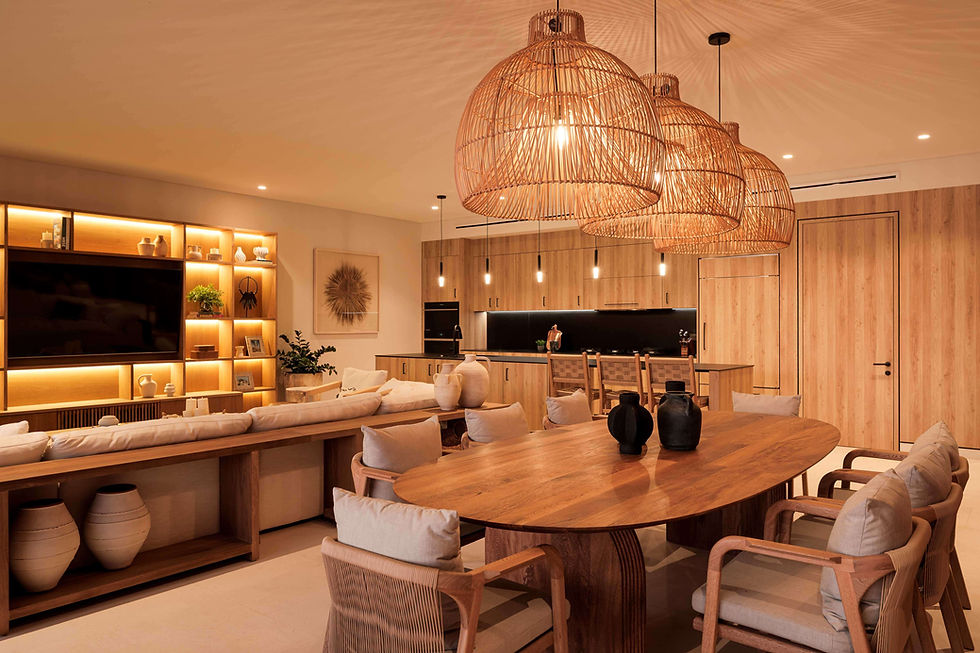
Sofas and armchairs arranged to face one another encourage eye contact and comfortable conversation.
The proximity between the living room, dining room, and terrace allows natural transitions between different moments of the day.
Clear circulation paths create freedom of movement and prevent interruptions.
In modern home design, this organization transforms every social area into a place that invites people to gather.
Choose furniture that invites people to stay
Comfort sustains connection.
Deep sofas, enveloping armchairs, and well-proportioned dining chairs support long conversations without fatigue.
Side tables and poufs add flexibility for intimate gatherings or larger occasions.
In a luxury home, comfort and elegance go hand in hand. Every piece responds to your lifestyle and to the way you enjoy hosting.

Use lighting as an emotional atmosphere
Light influences mood and the perception of time.
During the day, natural light brings openness and freshness. In the evening, table lamps, sculptural fixtures, and warm accents soften the environment and encourage more relaxed conversations.
Sensory interior design uses light to create intimacy, calm, and emotional well-being.
Incorporate materials that convey warmth
Natural materials establish an immediate connection with the senses.
Wood with visible grain, washed linen, stone, cotton, and handcrafted ceramics add texture and depth. These elements help your home feel welcoming and authentic.
When an interior designer works from a human-centered approach, every surface contributes to a more meaningful living experience.
Care for acoustics to make conversation effortless
Human connection also depends on sound.
Large rugs, curtains, bookshelves, and upholstered furnishings reduce echo and allow conversation to flow naturally.
Acoustic comfort often goes unnoticed, yet it can completely transform the quality of a gathering.
Design spaces for everyday rituals
Relationships are strengthened through repeated moments.
A kitchen island where you can talk while preparing coffee, a dining room that encourages long after-dinner conversations, or a terrace with comfortable seating creates constant opportunities for connection.
In the work of interior designers, these daily rituals guide many of the most important decisions.
Maintain a serene and welcoming aesthetic
Harmony emerges when everything breathes naturally.
A restrained color palette, carefully selected artwork, and visual breathing room convey calm.
Visual order allows people to relax and fully enjoy the time they share together.
2026 trends in people-centered interior design
Current industry trends reflect a profound shift in the understanding of luxury. The focus no longer revolves solely around appearance, but around the quality of everyday experience.
Residential interior design increasingly incorporates principles of emotional design, neuroaesthetics, and well-being at home. Tactile materials, soft curves, dimmable lighting, and environments that reduce stress are becoming more prominent.
There is also growing demand for multifunctional spaces that support social interaction, rest, and hospitality.
The contemporary home seeks to provide refuge, warmth, and a genuine sense of connection.
Inspiration from the Litibú project
In Litibú, interior design and the surrounding landscape maintain a serene dialogue overlooking the sea. The residence opens its social spaces toward the terrace and pool, creating a natural continuity between interior and exterior.
In this vacation home, generous sofas, coffee tables, and materials such as wood, stone, and linen create a relaxed and elegant atmosphere. A palette of sand, warm white, and greige evokes the coastal landscape and adds freshness.
The layout encourages long conversations, rest, and family gatherings. Everything conveys freedom, calm, and a discreet sense of exclusivity that allows you to fully enjoy the company of those you value most.

An interior designer near you to create spaces that strengthen relationships
When you want your home to foster closeness and well-being, working with an interior designer who specializes in luxury residences brings clarity and peace of mind.
At Victoria Plasencia Interiorismo, we conceive every project from a deeply human perspective.
We analyze your habits, the way you welcome guests, and the emotions you want to experience at home. From this understanding, we define the layout, materials, lighting, and furniture through a holistic approach supported by more than 20 years of experience.
Our goal is to create elegant, welcoming, and people-centered environments that enhance your life. The result is a luxury residence where hospitality arises naturally and every gathering finds its ideal setting.
Let’s design a home that brings people closer
Your home can become the place where conversations flow, dinners extend late into the evening, and memories gain lasting value.
Schedule a private consultation with us.
We work with a limited number of projects each year to provide exclusive, deeply personalized attention and create residences where design fosters authentic human connection.
Frequently asked questions about interiors that foster connection at home
How does interior design influence people?
The environment affects emotions, habits, and interpersonal relationships. A thoughtful layout, warm lighting, and welcoming materials help reduce stress and create a sense of security and emotional well-being.
What are human factors in interior design?
They are criteria that consider comfort, perception, behavior, and emotional needs. This approach makes it possible to create spaces that respond more sensitively to the people who inhabit them.
What is human-centered interior design?
It is a methodology that places people at the center of the project. Every decision seeks to improve everyday experience and strengthen the relationship between the environment and emotions.
How is harmony created in interior design?
Through balanced space planning, natural materials, appropriate lighting, acoustic comfort, and a coherent aesthetic that conveys calm and hospitality.




Comments