

Home space design based on what you want to experience in the year ahead

The beginning of a new year creates a natural pause for reflection. It is a time to reassess habits, rhythms, priorities, and aspirations. Within that personal evaluation, the interior design of your home holds a central role, even if it often goes unnoticed.
Approaching space design at home with intention can significantly transform the way you live. From our experience in luxury residential design, we have observed how a conscious approach helps restore clarity, balance, and well-being for those who inhabit a space.
This means aligning your environment with what you wish to experience: calm when you arrive home, focus during your workday, or deeper connection in shared moments.
This article offers a reflective and practical perspective to help you translate abstract desires into concrete spatial decisions.

The context: homes that no longer support your present life
Work patterns have evolved, family dynamics have shifted, and for many, time spent at home has increased. Despite these changes, spaces often remain configured for a different stage of life, with layouts, furnishings, and atmospheres designed for past routines.
In this scenario, discomfort may appear in subtle ways: arriving home and feeling unable to unwind, struggling to focus while working from an improvised setup, or maintaining common areas that neither encourage meaningful interaction nor support quiet coexistence.
Interior design is not limited to aesthetics detached from utility. It seeks solutions that are functional, timeless, and enduring. It represents a thoughtful investment, inviting reflection on the real needs you want your home to fulfill. Its execution is deliberate and structured.
This decision does not need to generate stress. Designing with intention means honoring your rhythm. You may begin by prioritizing one key space and continue gradually. A well-considered change can have a meaningful impact on your daily well-being.
A guide to designing your home spaces according to your new year’s intentions
Before moving into technical decisions, begin with a foundational reflection: what kind of life do you want to sustain during this new year?
Define experiences, not styles
The focus should be on experiences rather than trends: restorative rest, sustained concentration, meaningful gatherings, inspiration, or tranquility. Each requires an evaluation of the routines that take place in specific areas to determine necessary spatial adjustments.
A dining area designed for family gatherings benefits from generous proportions, warm lighting, and inviting materials. A workspace requires visual clarity, controlled lighting, and ergonomic precision. Once purpose is defined, design gains direction and coherence.
Observe your real habits
Examine how you currently use your home. Identify frequent circulation paths, peak activity hours, and areas that remain underutilized. This assessment clarifies priorities and indicates where to begin.
In professional practice, many spatial conflicts stem from decisions that disregard everyday habits. A design aligned with your routine reduces friction and promotes sustained comfort.
Work with light as an ally
Lighting directly influences energy levels, concentration, and mental rest.
Neuroarchitecture highlights the importance of supporting circadian rhythms through well-managed natural light and layered artificial lighting schemes.
Rest areas benefit from indirect lighting and warm temperatures. Work areas require functional lighting without glare to enhance performance. Adjusting lighting can transform spatial experience without invasive renovations.
Select materials with emotional resonance
Materials communicate through the senses. Natural woods, organic textiles, and high-quality finishes convey stability and comfort. Thoughtful material selection fosters emotional connections with the spaces you inhabit.
In high-end residential projects, durable, authentic, and timeless materials are prioritized. This approach creates visual calm and long-term coherence—qualities essential for a home conceived as a refuge.
Create visual and functional order
Order is not merely aesthetic. Visual saturation generates mental noise. Strategic storage planning, clear circulation paths, and custom-designed furnishings promote a sense of clarity and ease.
Comprehensive interior design becomes especially relevant here. Each element fulfills a defined role within a cohesive composition. This integrated vision prevents unnecessary accumulation and disconnected decisions.
2026 trends in interior space design
In 2026, interior space design continues evolving toward environments that prioritize awareness and longevity. Daily well-being takes precedence through the use of natural materials, balanced color palettes, and textures that add sensory depth without overwhelming the space.
Layouts gain flexibility to accommodate changing ways of living, working, and resting. Technology integrates discreetly, enhancing lighting, acoustics, and thermal comfort.
Personalization gains relevance through timeless pieces, contemporary craftsmanship, and design decisions oriented toward the emotional permanence of a space.
Woodforest: a design that inspires and shapes new beginnings
The Woodforest project we designed in Houston reflects a holistic vision of conscious residential design. The proposal began with a thorough understanding of the homeowners’ lifestyle.
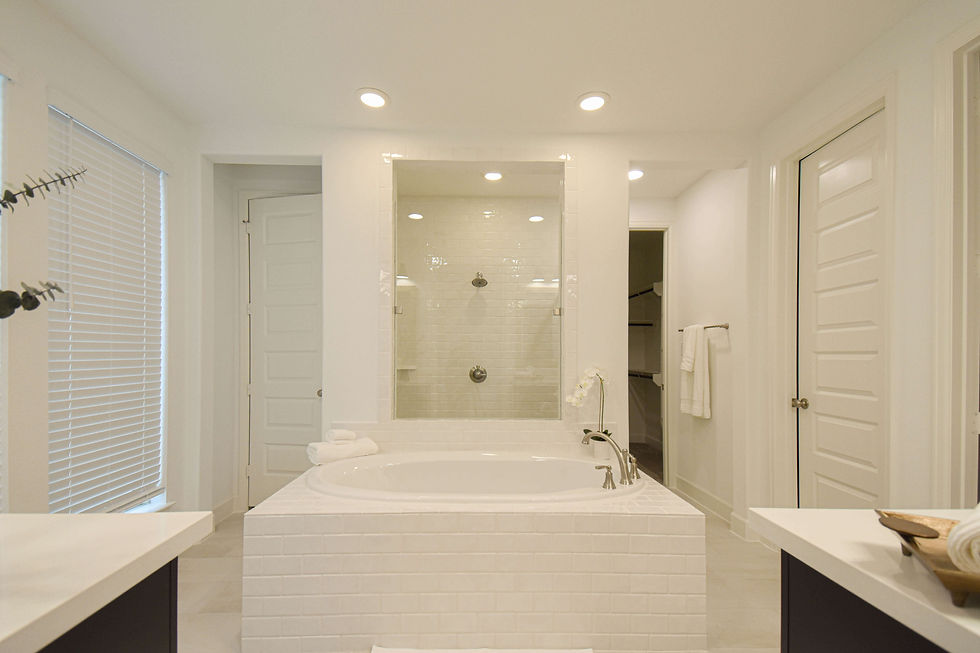
A neutral palette with warm undertones provides visual serenity. Natural materials interact with the abundant Texan light, creating balanced atmospheres throughout the day.
Social areas support fluid interaction, while private spaces encourage rest and introspection. The layout emphasizes clear circulation and generous proportions.

Each environment maintains aesthetic coherence while preserving its distinct identity.
This project illustrates how interior design can respond to daily rhythms, specific climates, and authentic emotional needs.
Beyond aesthetic inspiration, Woodforest demonstrates how a home can become a quiet structure that supports the life you intend to live.
Residential interior space design services
If this new year you seek greater clarity, calm, and coherence, your home can support you from the very beginning.
At Victoria Plasencia Interiorismo, we offer a comprehensive turnkey residential service designed to transform your home into a space aligned with your lifestyle and current aspirations.
Allow us to guide you through a conscious process where every decision reflects what you truly want to experience.
Design your home as an ally to your well-being from the start
Your home can become the setting that sustains your best self throughout the year ahead.
Schedule a call with our design team and begin this new stage with your residence thoughtfully designed as your strongest support.
Frequently asked questions about designing spaces for new beginnings
What should I consider before starting to design a space at home?
Clarify what you want to experience there: calm, connection, vitality. Evaluate your routine, natural light conditions, sensory materials, and functional layout. Your intention should guide the creation of an environment that reflects your lifestyle.
Does emotional interior design work for shared family homes?
Yes. An integrated approach considers family dynamics, ages, schedules, and shared needs, creating balance between togetherness and privacy.
What mistakes should be avoided when redesigning at the start of the year?
Adopting trends without context, making impulsive decisions, or prioritizing appearance over functionality. Intention should inform every choice.
Working with a professional interior designer can help you avoid these pitfalls, streamline the design process, and address your needs through creative and functional solutions.


Comments