

How to transform a family residence with interior design and preserve its legacy

Updated: Aug 7
Transforming a family residence with interior design means updating its functionality without losing the relationship between the architecture, the history of the property, and the way it is inhabited.
Each intervention requires recognizing the elements that bring character, as well as the areas that can evolve according to new dynamics, needs, and ways of living together.
In this article, we analyze the criteria that make it possible to renew a residence through an integral vision, preserve its identity, and strengthen its long-term value.

When a design transformation puts your residence’s identity at risk
A home with history can change its interior design without losing what makes it special. To achieve this, every decision should follow the same direction.
When different specialists work separately, the home can lose unity. Last-minute changes, delays, and unnecessary expenses can also increase.
The identity of a residence is born from its interior design, architecture, objects, and the way the family lives in it. That relationship should guide any renovation.
The guidance of an experienced interior designer helps define what should be preserved, what is worth recovering, and what can change. In this way, the home gains comfort and relevance without losing its essence.
How we care for legacy during an integral transformation
Transforming a residence involves making many decisions under one shared vision. Our team of interior designers maintains that direction so every change respects the essence of the home.
The following five steps bring order to the design process and connect each choice with the history of the residence.
1. We understand the home before changing it
We observe how each space functions, how light enters, and what relationship the residence maintains with the exterior. This reading helps identify the elements that give it character.
We also review installations and finishes. A staircase, a door, or an original surface can guide the new design.
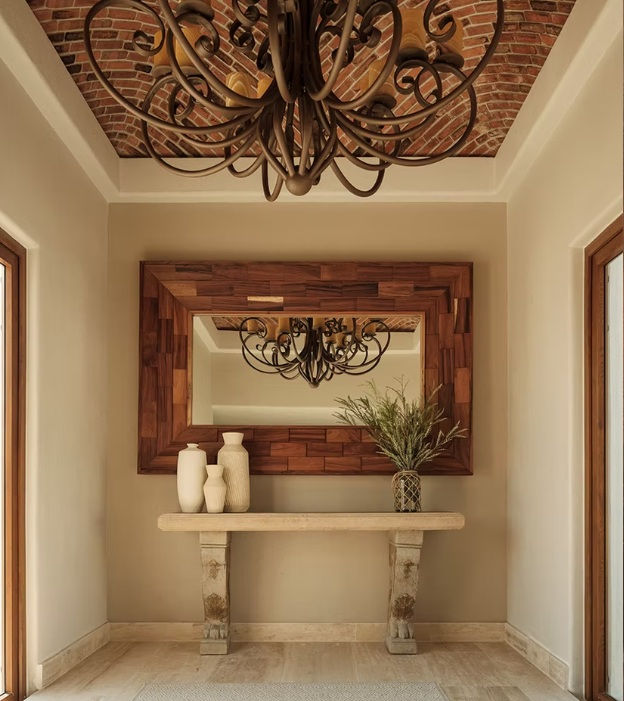
2. We choose what to preserve
We record the existing furniture, artworks, lighting pieces, and materials. Then we evaluate which ones should be preserved, recovered, or replaced.
An artisanal piece or a family collection can gain new presence when it occupies the right place within the project.
3. We adapt the residence to a new stage
Each family stage brings new ways of living together. Some families seek larger social spaces; others value greater privacy or comfort.
A well-considered layout makes daily life easier and preserves the tranquility of private spaces.
4. We choose materials with criteria
Natural materials help create a harmonious relationship between past and present. In coastal areas, we also consider the climate and the care each finish requires.
Lighting and custom-made furniture bring comfort with a discreet presence.
5. We coordinate every stage
The turnkey service brings together design, purchases, fabrication, construction, installation, and delivery. This coordination maintains the same intention from the beginning to the final result.
The main decisions remain under your approval. The team organizes the specialists, reviews progress, and cares for every detail.
Interior design trends for 2026 in family residences
In 2026, high-end residences favor serene and lasting environments. Natural materials, artisanal pieces, and deep colors bring warmth without depending on passing trends.
In an interior design remodel, antiques, vintage furniture, and handmade objects help preserve the history of the home. Their presence creates a natural relationship between different stages.
Earth tones, deep greens, and woven fibers work when they maintain a relationship with the architecture, climate, and surroundings. Criteria make it possible to incorporate trends without losing the identity of the residence.
La Punta: a transformation that honors its history by the sea
In the interior design of La Punta, the home stands out on a hill facing the ocean. Its four levels turn the view, natural light, and sea breeze into central elements of the interior experience.

During the remodeling of this vacation residence, we preserved valuable components from the original construction and connected them with contemporary finishes. The project brings together tradition, modernity, and a relationship with the landscape.
Carved wood, Mexican artisanal details, Mediterranean textures, and warm lighting build a serene atmosphere. The outdoor spaces maintain a constant connection with the sea.
Casa La Punta shows that a deep design transformation can renew everyday life without imposing an unfamiliar aesthetic. The residence preserves its character because every decision begins with its essential attributes.
The value of entrusting a residence with history to an expert design firm
Designing a residence in Punta Mita requires considering the climate, humidity, and proximity to the sea. The choice of materials and finishes influences the beauty and long-term care of the home.
At Victoria Plasencia Interiorismo, we develop projects for complete residences. Each proposal brings together layout, lighting, furniture, art, and installation under one shared vision.
This continuity maintains a clear relationship between social areas, bedrooms, and outdoor spaces. It also makes follow-up easier when the owners live in another city.
You approve the main decisions. Our team coordinates the specialists, accompanies every stage, and delivers a residence ready to enjoy.
Shape the next stage of your residence
A family residence can evolve while preserving what makes it special.
Our turnkey service brings together design, coordination, and execution to create a home ready to enjoy in Punta Mita.
If your residence is about to begin a new stage, share the characteristics of the project with our firm. In a private conversation, we will assess its scope and the best way to approach it.
Frequently asked questions about transforming a family residence
These answers explain how to renew a home with history and what the guidance of an experienced interior designer brings.
How does an interior designer preserve the essence of a family home?
First, they study the architecture, materials, existing pieces, and the way the home is inhabited. From that reading, they define what should be preserved, recovered, or changed.
Is it advisable to preserve all original furniture and finishes?
Each piece deserves a review of its quality, condition, usefulness, and value for the family. Some regain presence through restoration; others find a different place or give way to a better option.
What does a turnkey design project for a complete residence include?
It includes design, plans, materials, lighting, furniture, fabrication, purchases, coordination of specialists, construction follow-up, logistics, installation, delivery of the home for everyday use, and the application of adjustments during final delivery.


Comments